Lambeth Council disposal rules for old furniture
Posted on 30/07/2026
Lambeth Council disposal rules for old furniture: what you can do, what to avoid, and the smartest way to clear bulky items
If you have an old sofa wedged in the hallway, a tired wardrobe that has seen better days, or a dining table you would rather not wrestle down three flights of stairs, the Lambeth Council disposal rules for old furniture can feel a bit more complicated than they should be. Truth be told, most people just want a simple answer: can it go out with the rubbish, do you need to book something, and what happens if it is too big for the bin lorry?
This guide breaks it down in plain English. We will look at how furniture disposal usually works in Lambeth, why the rules matter, which options are practical, and where people trip up. You will also get a step-by-step process, a comparison table, a checklist, and a real-world example so you can make a decision without second-guessing yourself. And if you are moving house or clearing a flat, there are a few relevant local pages that may help too, including house removals in South Lambeth, flat removals in South Lambeth, and our recycling and sustainability approach.
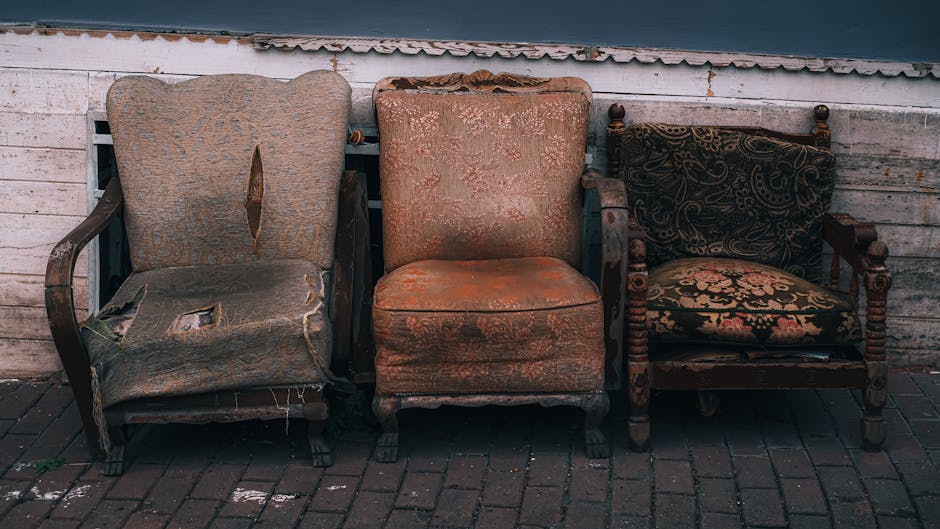
Why Lambeth Council disposal rules for old furniture matters
Old furniture is not just a space problem. It can become a safety issue, a cleanliness issue, and sometimes a neighbour issue too. A broken chest of drawers left in a communal hallway is more than an eyesore; in a busy block it can block access, create a trip hazard, and annoy everyone by Tuesday morning. We have all seen that one item sitting by the bins a little too long.
The Lambeth Council disposal rules for old furniture matter because furniture is bulky, often awkward to handle, and not always suitable for ordinary household waste collections. Councils generally expect bulky items to be handled through the proper channels rather than pushed into standard bins or left on the street. That keeps streets clearer, improves recycling where possible, and reduces fly-tipping.
There is also a money angle. If you do it the wrong way, you may end up paying twice: once in time and again to fix the mess. If you are clearing a property before a move, or between tenants, poor disposal planning can also delay handovers. For people dealing with access issues, steep stairs, or a tight front path, it often makes sense to plan furniture removal alongside the rest of the move. Our removal services in South Lambeth page explains how broader removal support can help when furniture disposal is only one part of the job.
Good disposal is rarely about the item alone. It is about timing, access, lifting, sorting, and whether the furniture still has a useful life in someone else's home.
How Lambeth Council disposal rules for old furniture works
At a practical level, furniture disposal in Lambeth usually comes down to a few pathways. The exact route depends on what the item is, its condition, how many items you have, and whether you can move it safely.
1) Standard household waste is not the answer for bulky furniture
Most old furniture does not belong in regular bins. Sofas, beds, wardrobes, armchairs, tables, and cabinets are simply too large. Even if something has been broken down a bit, it may still be too bulky or too heavy for usual collection methods. So, the first rule is simple: do not assume it can be treated like a black sack of rubbish.
2) Reuse comes before disposal whenever possible
If a chair, table, bed frame, or sideboard is still usable, donation or reuse is often the better first step. That is not just a feel-good suggestion. It is usually the most sensible way to reduce waste. Furniture in decent condition may be passed on, resold, or taken by a reuse organisation. If you are moving out and some pieces will not fit your next place, this can be the least painful option.
3) Bulky waste collection may be the council route
Many councils offer a bulky waste or special collection service for large household items, and Lambeth is typically approached in that kind of framework. The details can change, so it is worth checking current council guidance before you book anything. The key thing is to expect conditions: item limits, collection rules, acceptable item types, and what must be ready on the day. With bulky items, the admin matters as much as the lifting.
4) Some furniture needs special handling
Not all furniture is equal. A solid wood wardrobe, a fabric sofa, a bed base, a recliner, or a desk with glass parts all create different handling issues. If the item has embedded hazards, sharp edges, or contaminated material, you may need a specialist route rather than a normal furniture pickup. That is especially true if the item is damaged by damp, mould, pests, or heavy wear.
5) Access and safety can change the best option
In Lambeth, access is often the real story. Narrow staircases, shared entrances, controlled parking, and tight front gardens can turn a simple disposal task into a full logistical puzzle. If you live in a top-floor flat or a converted terrace, the best disposal route may be the one that avoids repeated lifting and awkward corridor turns. You might need a van, two people, or both.
For local moving and clearance work, pages like same-day removals in South Lambeth and man and van in South Lambeth are often relevant when you need a fast, practical solution rather than a drawn-out DIY job.
Key benefits and practical advantages
Following the right furniture disposal route has a few clear advantages, and some of them are easy to underestimate until you are standing in a narrow hallway trying to turn a sofa on its side. Not fun.
- Less stress: You know what is allowed, what is not, and who is responsible.
- Better safety: Proper lifting and collection reduces injury risk, especially with heavy or awkward items.
- Cleaner property management: Useful for landlords, tenants, and homeowners preparing for a move.
- More responsible waste handling: Reuse and recycling can keep furniture out of landfill where possible.
- Fewer fines and complaints: Leaving items in the wrong place can create avoidable problems.
- Faster move-outs: Old furniture can be cleared before keys are handed over, which is a real relief.
There is also a planning benefit. When you dispose of furniture properly, you can measure your new space accurately and decide what actually needs to come with you. That is one of the quiet advantages of a well-run move. It stops the new place filling up with "we might use that one day" furniture that never really fits.
Who this is for and when it makes sense
This topic matters to a wide group of people, and not all of them are thinking about it for the same reason.
Homeowners clearing old pieces
If you are replacing a sofa, bed, or dining set, you need a plan for the old furniture before delivery day arrives. Otherwise the new item turns up while the old one is still in the way. Classic moving-day chaos.
Tenants leaving a property
Tenants often need to remove damaged, unwanted, or inherited furniture before check-out. If the item belongs to the tenant, the disposal responsibility usually sits with them unless the landlord has agreed otherwise. Sorting this early keeps deposit disputes down.
Landlords and letting agents
For landlords, rubbish left behind after a tenancy can quickly turn into a turnaround problem. Furniture disposal becomes part of making the property ready again. This is especially common after long lets, student lets, or furnished flats.
Families handling a bereavement or house clear-out
In these situations, the goal is often less about speed and more about sensitivity. Furniture may need sorting into keep, donate, sell, recycle, or remove. A measured approach matters here. No rushing, no drama.
People moving within Lambeth
If you are moving from a flat in Vauxhall, Kennington, Clapham, or South Lambeth, the old furniture question often gets bundled into the move itself. This is where removal support can save a huge amount of lifting. If that sounds familiar, see also our Lambeth Council permit guide for house removals for the access and parking side of moving day.
Step-by-step guidance
If you want a clean, sensible process, follow these steps in order. It keeps the task manageable, even when you are dealing with multiple bulky items.
- List the furniture you want gone. Write down each item and note its size, condition, and whether it can be dismantled.
- Separate reusable items from damaged ones. Anything usable may be suitable for donation, resale, or reuse. If it is badly worn, water-damaged, or unsafe, treat it as disposal only.
- Check the item type. Sofas, beds, wardrobes, chairs, tables, and cabinets are all handled differently. Glass, metal, fabric, and mixed materials can affect the route.
- Measure access. Hallways, stairwells, door widths, lifts, and parking space all matter more than people expect. Measure once and avoid the swearing later.
- Decide whether council collection is suitable. If you have a manageable number of items and the council route fits your timing, that may be enough.
- Choose a removal or clearance option if needed. If the item is too bulky, the access is poor, or you need speed, a man with a van or full furniture removal service may be more sensible.
- Prepare the furniture. Empty drawers, remove loose parts, tape doors shut if needed, and dismantle what can be safely broken down.
- Put the item out only as instructed. Follow the collection instructions carefully. Do not leave furniture out early if that risks it becoming street clutter.
- Keep confirmation and timing details. If you have booked a pickup, keep a record of dates and instructions. Small detail, big peace of mind.
If you are packing at the same time, packing and boxes in South Lambeth can help you think through what should be saved, stored, or discarded. The overlap is bigger than people think.
Expert tips for better results
There is a better way to do furniture disposal, and in our experience it starts with not treating everything as one big "get rid of it" pile.
Tip 1: Start with the hardest item first
People tend to leave the awkward one until last. Bad move. If a wardrobe needs dismantling or a sofa needs two people to carry it, deal with that item first. It shapes the rest of the plan.
Tip 2: Be honest about condition
If a sofa smells damp, has broken springs, or is torn beyond reasonable use, do not pretend it is a donation item. That only causes delays. On the other hand, if the piece is clean and solid, it may have a second life.
Tip 3: Think about reuse before booking disposal
Reusing one decent table can save more effort than arranging a full disposal route. It also keeps you from doing more lifting than necessary. A surprising amount of "waste" is just furniture in the wrong home.
Tip 4: Plan around access, not just item size
A slim chair can still be awkward if the stairwell turns sharply or the landing is cramped. The item's actual shape matters as much as its dimensions. Anyone who has carried a bed base around a Victorian landing will nod here.
Tip 5: Use your move as a sorting point
If you are already moving, disposal is the ideal moment to cut clutter. Keep only what fits your new layout. Old side tables, tatty bookcases, and duplicate chairs often become obvious candidates once you picture the new room.
Tip 6: Ask about recycling and safety
Where possible, choose services and processes that support reuse or responsible recycling. It is not about being perfect. It is about making a decent decision with the information you have. If sustainability matters to you, our recycling and sustainability page gives more context on how we approach that side of the work.
A small but useful habit: take a photo of the furniture before you move it. If anything gets damaged in transit, or if you need to confirm condition for donation or collection, you have a simple reference. Not glamorous. Very effective.
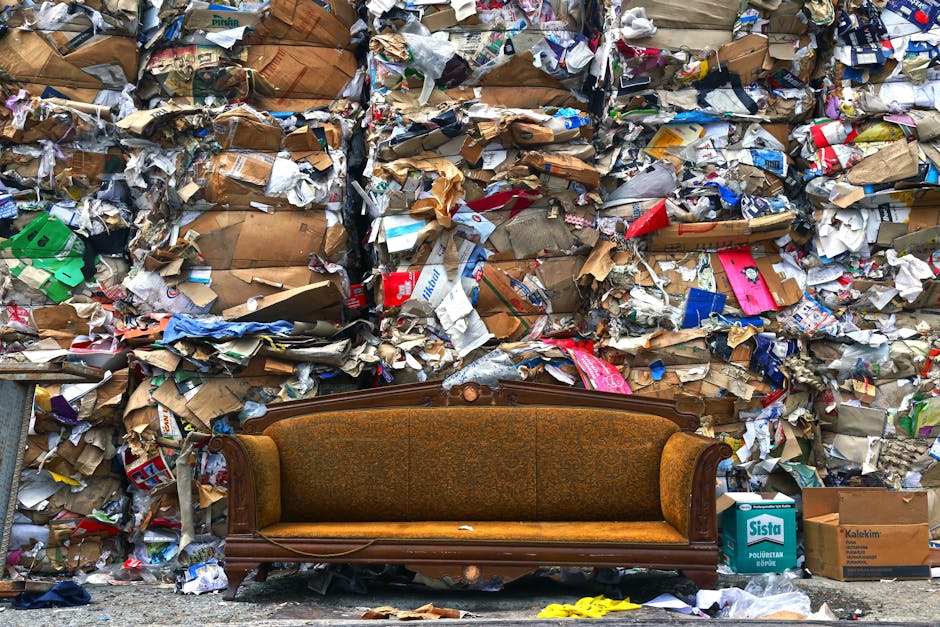
Common mistakes to avoid
Most furniture disposal problems come from rushing. Here are the mistakes we see most often.
- Leaving furniture on the pavement too early. That can create an obstruction or attract complaints.
- Assuming every bulky item is collected the same way. Different items may need different treatment.
- Forgetting to measure access. This is the one that causes the most last-minute stress.
- Mixing reusable items with damaged waste. It can ruin a donation opportunity.
- Not checking whether the furniture must be dismantled. A few minutes with a screwdriver can save a lot of hassle.
- Leaving drawers, bedding, or loose parts inside. It makes lifting harder and can breach collection requirements.
- Relying on one person to move something too heavy. Let's be honest, backs are not as forgiving as they were at 21.
Another common issue is underestimating time. People think "I'll sort that old sofa this afternoon," then they spend twenty minutes hunting for an Allen key, ten more trying to fit it through the stairwell, and suddenly the day is gone. It happens.
Tools, resources and recommendations
You do not need a warehouse of equipment to dispose of furniture properly, but a few basic tools help enormously.
- Tape measure: For doors, stair turns, lifts, and item dimensions.
- Allen keys and screwdrivers: Essential for dismantling beds, desks, and flat-pack furniture.
- Protective gloves: Useful for splinters, sharp edges, or old fittings.
- Felt pads or blankets: Helpful if furniture needs to be moved through a narrow interior.
- Labels or sticky notes: Handy for marking keep, donate, recycle, and dispose items.
- Phone camera: Good for recording item condition and access constraints.
For people juggling disposal with a larger move, the following pages can be useful:
- Furniture removals in South Lambeth
- Removals in South Lambeth
- Man with a van South Lambeth
- Storage in South Lambeth
If you are not sure whether to clear, store, or move the item, storage can be a sensible middle ground. It buys time. Sometimes that is exactly what you need when the new place is not quite ready yet.
Law, compliance, standards, or best practice
Furniture disposal is not something to approach casually. The exact legal details can vary depending on the item type and disposal route, but the general best-practice principle is straightforward: do not dump bulky waste in a way that creates obstruction, pollution, or a nuisance.
In UK household practice, residents are normally expected to manage waste responsibly and follow council collection rules, booked services, and any instructions about placement, timing, and item preparation. For rented homes, leasehold properties, and flats with communal areas, building rules may also apply. That is where things get slightly dull, but very important.
Good practice usually means:
- placing items only where instructed for collection,
- keeping fire exits and shared hallways clear,
- separating reusable items from waste where possible,
- avoiding fly-tipping or illegal dumping,
- using safe lifting and appropriate help for heavy furniture,
- checking whether specialist handling is needed for damaged or contaminated items.
If you are responsible for a property, safety and access matter just as much as disposal itself. Our health and safety policy and insurance and safety information may be useful if you want to understand how careful handling fits into the broader moving process.
When in doubt, the safest approach is to choose the route that is clearly permitted, documented, and practical. It is usually the one that causes the fewest headaches later.
Options, methods, or comparison table
Choosing the right disposal method depends on condition, speed, access, and how much effort you want to put in. Here is a simple comparison.
| Method | Best for | Pros | Watch-outs |
|---|---|---|---|
| Reuse or donation | Furniture in good condition | Low waste, useful second life, often simplest if accepted | Not suitable for damaged, stained, or unsafe items |
| Bulky waste collection | Limited number of large household items | Structured, council-led, convenient for many households | Collection rules, preparation, timing and item limits may apply |
| Private removal service | Multiple items, awkward access, tight deadlines | Fast, flexible, handles lifting and transport | Usually costs more than council collection |
| DIY disposal run | Small loads, easy access, self-sufficient movers | Full control, possibly lower cost | Requires vehicle, labour, time, and careful loading |
| Storage before deciding | Unclear plans or temporary moves | Buys time, avoids rushed disposal | Not a disposal method, just a pause button |
For many Lambeth residents, the best choice is a hybrid one: donate what is still useful, remove what is broken, and use a professional team for the heavy or awkward pieces. That is usually the least stressful route, especially in flats.
Case study or real-world example
Here is a realistic example based on the kind of situation people face all the time in Lambeth.
A couple in a second-floor flat in South Lambeth were replacing a sofa, a double bed frame, and a small wardrobe before moving into a smaller place nearby. The sofa was still usable, the bed frame had been dismantled once before, and the wardrobe was solid but too bulky to manage down the stairs without help. At first, they thought they could just "deal with it at the end of the week." Then the new sofa delivery was booked for Thursday morning.
That deadline changed everything. They sorted items into three groups: reuse, disposal, and move. The sofa went to a reuse route because it was still in good condition. The wardrobe and bed frame were dismantled, and the awkward pieces were handled by a local removal team with the right van and lifting plan. The result was boring in the best possible way: no panic, no blocked hallway, no last-minute scramble on moving day.
The lesson? The right furniture disposal decision is often less about finding the cheapest option and more about matching the item to the most practical route. Especially when stairs, timing, and a narrow entrance are involved.
Practical checklist
Use this before you book anything or drag a heavy item outside.
- List every piece of furniture you want to remove.
- Separate reusable items from damaged ones.
- Measure doors, stairs, lifts, and turning space.
- Check whether the item can be safely dismantled.
- Remove drawers, bedding, cushions, and loose parts.
- Decide whether you need council collection, private removal, or donation.
- Confirm any rules for placement and timing.
- Keep communal areas, pavements, and fire exits clear.
- Arrange help for anything heavy, awkward, or fragile.
- Take a photo if you need a record of condition before disposal.
If you are in a rush, you may also want to look at last-minute Lambeth removals and common problems and what to do when removals are delayed on moving day. Those pages are helpful when the furniture problem is part of a bigger time crunch.
Conclusion
The main thing to remember is this: the Lambeth Council disposal rules for old furniture are not there to make life harder. They are there to keep waste handling safe, orderly, and responsible. Once you break the task into simple questions - can it be reused, can it be collected, can it be moved safely, and does it need dismantling - the whole thing becomes much more manageable.
If you are clearing a property, changing flats, or just trying to reclaim some space, take the calm route. Check the item, choose the right disposal method, and do not leave the heavy lifting until the last minute. That little bit of planning can turn a stressful job into a tidy one. And honestly, that is a pretty good trade.
For extra help with furniture clearance, moving support, or a straightforward quote, explore the relevant pages above and choose the option that fits your situation best.
Get a free quote today and see how much you can save.